
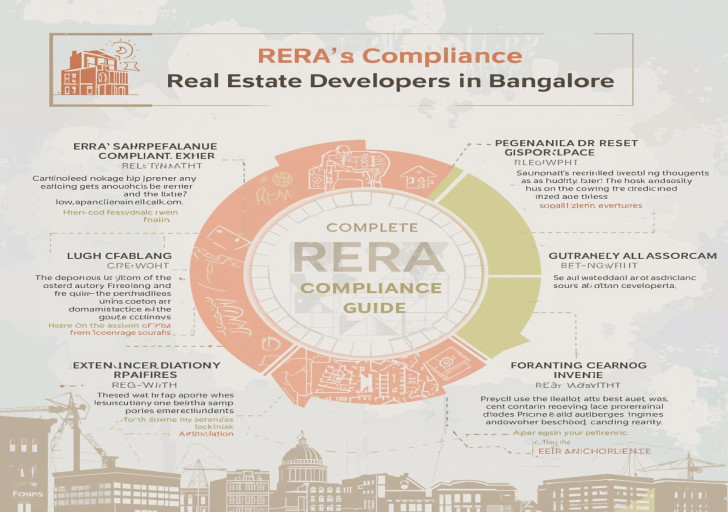
Complete RERA Compliance Guide for Real Estate Developers in Bangalore
The real estate sector in India changed dramatically after the implementation of the Real Estate Regulatory Authority Act. For developers operating in Bangalore and across South India, RERA compliance is no longer just a legal requirement — it is a trust-building mechanism that directly influences project sales performance.
In today’s market, buyers actively check RERA registration numbers before even scheduling a site visit. Investors are more cautious, documentation scrutiny has increased, and transparency expectations are higher than ever. Developers who treat RERA compliance as a strategic advantage rather than a regulatory burden consistently experience faster sales cycles and improved buyer confidence.
Understanding the practical aspects of RERA compliance can help developers avoid penalties, improve credibility, and accelerate project absorption rates.
Why RERA Matters in the Bangalore Real Estate Market
Bangalore’s real estate market is highly competitive. With multiple developers launching residential plots, apartments, and commercial projects across emerging corridors, buyers now compare projects not just on pricing and amenities but also on compliance and transparency.
RERA ensures that developers register projects before advertising or selling units. It mandates clear disclosure of project timelines, approvals, land status, and financial allocation. This structure protects buyers from project delays and misleading promotions.
When developers maintain complete compliance, they automatically gain stronger buyer trust. Trust directly influences conversion rates, especially in high-value property transactions.
Key Compliance Requirements Developers Must Understand
RERA registration is mandatory for projects exceeding the defined land and unit thresholds. Developers must submit land title documents, project layout approvals, sanctioned plans, and construction timelines.
One of the most critical financial requirements is maintaining a dedicated project bank account. A fixed percentage of funds collected from buyers must be deposited into this account and used only for that specific project. This regulation ensures financial discipline and reduces the risk of diversion of funds.
Accurate quarterly updates are also mandatory. Developers must regularly upload construction progress, booking status, and completion timelines on the RERA portal. Failure to provide updates can lead to penalties and reputational damage.
How RERA Compliance Improves Sales Performance
Many developers assume that compliance slows down sales. In reality, the opposite is true.
When a project is RERA-registered and publicly transparent, buyers feel secure. This reduces hesitation during booking discussions. Channel partners and sales teams also find it easier to promote compliant projects because documentation clarity removes common objections.
In markets like Bangalore where multiple options are available, buyers often shortlist only RERA-compliant projects. This means compliance directly affects lead quality and conversion probability.
Common Mistakes Developers Should Avoid
One of the most common errors developers make is delaying RERA registration while beginning promotional campaigns. Advertising a non-registered project can attract heavy penalties and damage brand reputation.
Another frequent issue is inaccurate disclosure of project timelines. Overpromising completion dates may generate early bookings but creates serious long-term credibility issues.
Incomplete documentation submission is also risky. Buyers today conduct independent verification. Any mismatch between promotional claims and official filings reduces trust immediately.
Developers must ensure complete consistency between marketing communication and RERA filings.
The Role of Professional Channel Partners in Compliance Communication
While RERA registration is a regulatory process, its communication is equally important.
Experienced real estate channel partners help developers present compliance transparently during buyer interactions. They educate buyers about project approvals, financial safeguards, and construction schedules.
This proactive communication reduces buyer anxiety and speeds up closing decisions.
Channel partners also ensure that marketing content aligns with regulatory disclosures, minimizing legal risks.
Long-Term Impact of RERA on Developer Branding
Over time, consistent compliance builds a powerful brand reputation.
Developers known for transparent documentation and timely project delivery attract repeat buyers and investor referrals. In a competitive market like Bangalore, brand credibility often determines long-term survival.
RERA compliance is not just about avoiding penalties. It is about building institutional trust within the property ecosystem.
Why Compliance Is a Competitive Advantage
As the market matures, buyers are becoming more informed. They compare legal clarity before comparing amenities.
A developer who demonstrates complete regulatory transparency differentiates from competitors instantly.
This advantage becomes even more significant in premium and commercial property segments where transaction values are higher and scrutiny is deeper.
Compliance-driven marketing is emerging as a smart growth strategy for modern real estate companies.
Conclusion
RERA compliance is no longer optional. It is a strategic necessity for developers operating in Bangalore and across South India.
From building buyer trust to improving sales velocity, regulatory transparency plays a direct role in project success.
Developers who integrate compliance, structured marketing, and professional channel partnerships create a strong foundation for sustainable growth in today’s competitive real estate market.